- Welcome to AHXproject.
AHXproject
< | >
Recent posts
#41
Ubuntu News / GIMP 3.2.6 gets faster font l...
Last post by tim - Sep 11, 2026, 04:20 AMGIMP 3.2.6 gets faster font loading, Wacom barrel rotation input
 GIMP 3.2.6 has arrived, a new maintenance update in the 3.2.x series that made a splash earlier this year. You won't find any major new features, but plenty of improvements – not least in font handling. GIMP say font loading is faster, with start-up times, Text tool typing and closing large font lists all nippier when lots of fonts are installed. The team note "some lag remains", and solving that would require a GTK4 port – for which some initial prep has begun. On the editing side, Cut now works on layer groups; Color Picker can picks up filters applied [...]
You're reading GIMP 3.2.6 gets faster font loading, Wacom barrel rotation input , a blog post from OMG! Ubuntu . Do not reproduce elsewhere without permission.
Categories: News, App Updates, GIMP, KDE, wacom
Source: https://www.omgubuntu.co.uk/2026/09/gimp-3-2-6-wacom-rotation-input Sep 11, 2026, 04:05 AM
GIMP 3.2.6 has arrived, a new maintenance update in the 3.2.x series that made a splash earlier this year. You won't find any major new features, but plenty of improvements – not least in font handling. GIMP say font loading is faster, with start-up times, Text tool typing and closing large font lists all nippier when lots of fonts are installed. The team note "some lag remains", and solving that would require a GTK4 port – for which some initial prep has begun. On the editing side, Cut now works on layer groups; Color Picker can picks up filters applied [...]You're reading GIMP 3.2.6 gets faster font loading, Wacom barrel rotation input , a blog post from OMG! Ubuntu . Do not reproduce elsewhere without permission.
Categories: News, App Updates, GIMP, KDE, wacom
Source: https://www.omgubuntu.co.uk/2026/09/gimp-3-2-6-wacom-rotation-input Sep 11, 2026, 04:05 AM
#42
Ubuntu News / Ubuntu 26.10 will ship with L...
Last post by tim - Sep 11, 2026, 04:20 AMUbuntu 26.10 will ship with Linux kernel 7.3
 Ubuntu 26.10 'Stonking Stingray' is getting a newer kernel than planned. Canonical has switched its target from Linux 7.2 to Linux 7.3.
You're reading Ubuntu 26.10 will ship with Linux kernel 7.3 , a blog post from OMG! Ubuntu . Do not reproduce elsewhere without permission.
Categories: News, linux kernel, Ubuntu 26.10
Source: https://www.omgubuntu.co.uk/2026/09/ubuntu-2610-kernel-version Sep 11, 2026, 03:03 AM
Ubuntu 26.10 'Stonking Stingray' is getting a newer kernel than planned. Canonical has switched its target from Linux 7.2 to Linux 7.3.You're reading Ubuntu 26.10 will ship with Linux kernel 7.3 , a blog post from OMG! Ubuntu . Do not reproduce elsewhere without permission.
Categories: News, linux kernel, Ubuntu 26.10
Source: https://www.omgubuntu.co.uk/2026/09/ubuntu-2610-kernel-version Sep 11, 2026, 03:03 AM
#43
Ubuntu News / Ubuntu 24.04.5 released with ...
Last post by tim - Sep 11, 2026, 02:20 AMUbuntu 24.04.5 released with Linux 7.0 & Mesa 26.0
 The fifth (and final planned) point release of Ubuntu 24.04 LTS is now available to download. Ubuntu 24.04.5 LTS brings refreshed installation media (ISOs) that includes of the software updates, bug fixes and security patches released since the last ISO was produced. This cuts down on the number of updates that need to downloaded post-install. This release also makes a change in how kernel firmware updates are delivered. Firmware has been split out into vendor-specific packages that can be independently updated, mirroring a change made in Ubuntu 26.04 LTS earlier this year. More important than that, this release runs on [...]
You're reading Ubuntu 24.04.5 released with Linux 7.0 & Mesa 26.0 , a blog post from OMG! Ubuntu . Do not reproduce elsewhere without permission.
Categories: News, Point Releases, Ubuntu 24.04 LTS
Source: https://www.omgubuntu.co.uk/2026/09/ubuntu-24-04-5-lts-released-with-linux-kernel-7-0 Sep 11, 2026, 12:51 AM
The fifth (and final planned) point release of Ubuntu 24.04 LTS is now available to download. Ubuntu 24.04.5 LTS brings refreshed installation media (ISOs) that includes of the software updates, bug fixes and security patches released since the last ISO was produced. This cuts down on the number of updates that need to downloaded post-install. This release also makes a change in how kernel firmware updates are delivered. Firmware has been split out into vendor-specific packages that can be independently updated, mirroring a change made in Ubuntu 26.04 LTS earlier this year. More important than that, this release runs on [...]You're reading Ubuntu 24.04.5 released with Linux 7.0 & Mesa 26.0 , a blog post from OMG! Ubuntu . Do not reproduce elsewhere without permission.
Categories: News, Point Releases, Ubuntu 24.04 LTS
Source: https://www.omgubuntu.co.uk/2026/09/ubuntu-24-04-5-lts-released-with-linux-kernel-7-0 Sep 11, 2026, 12:51 AM
#44
Ubuntu News / Liquid Glass GNOME Shell exte...
Last post by tim - Sep 11, 2026, 12:26 AMLiquid Glass GNOME Shell extension uses real refraction shaders
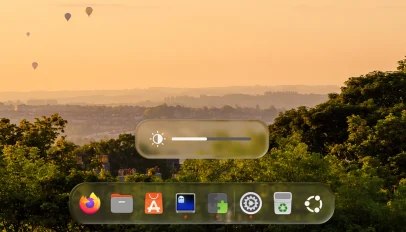 You can now give the Ubuntu desktop a 'Liquid Glass' makeover using a new GNOME Shell Extension that written with 'significant' help from AI. Its developer, Ryosuke Watanabe, said they loved the look of Liquid Glass – Apple's new design material that gives UI elements light-bending surfaces with depth and motion – but, not owning an Apple device, wanted a way to enjoy it on their Linux desktop. So they created an extension to do it. "The design, the shader math, the architecture decisions, and all of the testing on real hardware are mine", says Watanabe, but adds that a [...]
You're reading Liquid Glass GNOME Shell extension uses real refraction shaders , a blog post from OMG! Ubuntu . Do not reproduce elsewhere without permission.
Categories: News, Eye Candy, GNOME Extensions, Liquid Glass
Source: https://www.omgubuntu.co.uk/2026/09/liquid-glass-gnome-shell Sep 10, 2026, 11:19 PM
You can now give the Ubuntu desktop a 'Liquid Glass' makeover using a new GNOME Shell Extension that written with 'significant' help from AI. Its developer, Ryosuke Watanabe, said they loved the look of Liquid Glass – Apple's new design material that gives UI elements light-bending surfaces with depth and motion – but, not owning an Apple device, wanted a way to enjoy it on their Linux desktop. So they created an extension to do it. "The design, the shader math, the architecture decisions, and all of the testing on real hardware are mine", says Watanabe, but adds that a [...]You're reading Liquid Glass GNOME Shell extension uses real refraction shaders , a blog post from OMG! Ubuntu . Do not reproduce elsewhere without permission.
Categories: News, Eye Candy, GNOME Extensions, Liquid Glass
Source: https://www.omgubuntu.co.uk/2026/09/liquid-glass-gnome-shell Sep 10, 2026, 11:19 PM
#45
Ubuntu News / BleachBit 6.0.4 brings faster...
Last post by tim - Sep 10, 2026, 05:07 PMBleachBit 6.0.4 brings faster scanning, better browser cleaning
 A new version of BleachBit, an open-source system cleaning tool, is out. BleachBit 6.0.4 brings everything I mentioned in my spot on the BleachBit 6.0.4 beta release, including macOS support for the first time – albeit in an early state, and including a Cleaner for Safari and a choice of the (neat) BleachBit CLI or an early GUI. Windows and Linux users all benefit from faster startup times and scanning speeds, and gain new cleaners for Android Studio, Gradle's cache, fish and Zsh shells and Python CLI. Top-level log files are cleared by the Claude cleaner, and browser "super cookies" [...]
You're reading BleachBit 6.0.4 brings faster scanning, better browser cleaning , a blog post from OMG! Ubuntu . Do not reproduce elsewhere without permission.
Categories: News, App Updates, BleachBit, System Tools
Source: https://www.omgubuntu.co.uk/2026/09/bleachbit-6-0-4-update Sep 09, 2026, 07:54 PM
A new version of BleachBit, an open-source system cleaning tool, is out. BleachBit 6.0.4 brings everything I mentioned in my spot on the BleachBit 6.0.4 beta release, including macOS support for the first time – albeit in an early state, and including a Cleaner for Safari and a choice of the (neat) BleachBit CLI or an early GUI. Windows and Linux users all benefit from faster startup times and scanning speeds, and gain new cleaners for Android Studio, Gradle's cache, fish and Zsh shells and Python CLI. Top-level log files are cleared by the Claude cleaner, and browser "super cookies" [...]You're reading BleachBit 6.0.4 brings faster scanning, better browser cleaning , a blog post from OMG! Ubuntu . Do not reproduce elsewhere without permission.
Categories: News, App Updates, BleachBit, System Tools
Source: https://www.omgubuntu.co.uk/2026/09/bleachbit-6-0-4-update Sep 09, 2026, 07:54 PM
#46
Ubuntu News / The $200 Firefox mechanical k...
Last post by tim - Sep 09, 2026, 02:32 AMThe $200 Firefox mechanical keyboard sold out
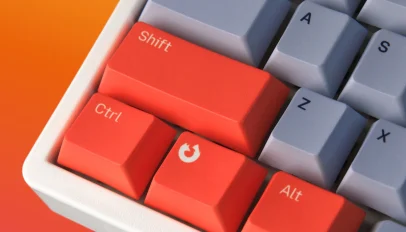 Love Firefox enough to drop $200 on a branded keyboard? Tough, it's sold it. It's a full-sized, 108-key mechanical keyboard with Cherry MX switches, and has a unique keycap colour scheme and branding: a Firefox logo on the super/meta key and new Firefox mascot Kit on Esc. It works wired, via Bluetooth or 2.4g wireless. "Clean, clicky and finished in Firefox colors", reads the Mozilla Store description, "this is a keyboard that looks good, feels better and sneaks in a little personality where you least expect it" (unaware the personality is exactly where one would expect it: on the keys). [...]
You're reading The $200 Firefox mechanical keyboard sold out , a blog post from OMG! Ubuntu . Do not reproduce elsewhere without permission.
Categories: Hardware, News, Firefox, keyboards, Mozilla
Source: https://www.omgubuntu.co.uk/2026/09/firefox-keyboard-cherry-switches Sep 09, 2026, 12:37 AM
Love Firefox enough to drop $200 on a branded keyboard? Tough, it's sold it. It's a full-sized, 108-key mechanical keyboard with Cherry MX switches, and has a unique keycap colour scheme and branding: a Firefox logo on the super/meta key and new Firefox mascot Kit on Esc. It works wired, via Bluetooth or 2.4g wireless. "Clean, clicky and finished in Firefox colors", reads the Mozilla Store description, "this is a keyboard that looks good, feels better and sneaks in a little personality where you least expect it" (unaware the personality is exactly where one would expect it: on the keys). [...]You're reading The $200 Firefox mechanical keyboard sold out , a blog post from OMG! Ubuntu . Do not reproduce elsewhere without permission.
Categories: Hardware, News, Firefox, keyboards, Mozilla
Source: https://www.omgubuntu.co.uk/2026/09/firefox-keyboard-cherry-switches Sep 09, 2026, 12:37 AM
#47
Ubuntu Blog / Ubuntu now certified on Qualc...
Last post by tim - Sep 09, 2026, 12:25 AMUbuntu now certified on Qualcomm Dragonwing™ IQ-8275
Sep 8, 2026 – Canonical and Qualcomm Technologies, Inc. announce the general availability of certified Ubuntu 24.04 LTS images for the Qualcomm Dragonwing™ IQ-8275 Evaluation Kit (EVK). Offering industrial-grade efficiency, this release provides production-ready software designed for building high-performance edge AI applications.
For developers, system integrators, and OEMs, Qualcomm Dragonwing IQ-8275 hardware and Ubuntu 24.04 LTS together provide a production-ready foundation that accelerates the journey from proof of concept to industrial deployment, enabling securely designed, scalable, and AI-powered systems for robotics, manufacturing, machine vision, and physical AI applications. The combination of industrial-grade compute, on-device AI acceleration, long lifecycle support, and enterprise Linux delivers a faster path from evaluation to production.
This launch builds on the general availability of Ubuntu for the IQ-9075 platform , with today's announcement being the latest instance of Canonical support for Qualcomm Dragonwing processors.
Bringing Industrial AI to the edge with Qualcomm Dragonwing IQ-8275
The Qualcomm Dragonwing IQ-8275 is purpose built for the next generation of industrial and edge AI deployments, where developers must process sensor data, run AI models, manage connectivity, and execute real-time control workloads simultaneously on a single platform. The processor combines heterogeneous compute, integrated AI acceleration, industrial-grade reliability, and rich connectivity to simplify development while reducing system cost, power consumption, and integration effort.
Unlike traditional architectures that rely on multiple discrete components, the IQ-8275 integrates high-performance CPU cores, GPU acceleration, a dedicated HexagonTM AI processor, safety capabilities, and extensive industrial I/O into a unified platform. This enables developers to build robotics, industrial automation systems, autonomous mobile robots (AMRs), machine vision solutions, gateways, and edge AI appliances using common hardware and software foundation.
Key advantages include:
"By certifying Ubuntu 24.04 LTS on the Dragonwing IQ-8275 EVK, we are providing developers with a trusted, production-ready software foundation for industrial AI and edge computing. Together with Qualcomm Technologies, we are enabling innovators to move from evaluation to deployment faster with enterprise-grade security maintenance and long-term support for up to 15 years."
Joe Dulin, VP of Devices Sales at Canonical.
"The Qualcomm Dragonwing IQ-8275 is designed to bring high performance, on-device AI, industrial grade reliability, and scalable connectivity together in a single platform. With certified Ubuntu support, our customers, ODMs, and ecosystem partners gain access to a secure, enterprise-ready software environment that accelerates development of next generation industrial automation, robotics, machine vision, and edge AI solutions."
Manvinder Singh, VP of Product Management at Qualcomm Technologies, Inc.
Getting started
To access the latest certified Ubuntu images for the Qualcomm Dragonwing IQ-8275 platform, please visit our Qualcomm IoT download page . If you have any questions about the platform or would like information about our certification program, then contact us by filling out our dedicated form.
Sep 8, 2026 – Canonical and Qualcomm Technologies, Inc. announce the general availability of certified Ubuntu 24.04 LTS images for the Qualcomm Dragonwing™ IQ-8275 Evaluation Kit (EVK). Offering industrial-grade efficiency, this release provides production-ready software designed for building high-performance edge AI applications. For developers, system integrators, and OEMs, Qualcomm Dragonwing IQ-8275 hardware and Ubuntu 24.04 [...]
Categories: Certification, Embedded Devices, Industrial, Internet of things, IoT, Qualcomm Dragonwing
Source: https://ubuntu.com//blog/ubuntu-now-certified-on-qualcomm-dragonwing-iq-8275 Sep 08, 2026, 10:39 PM
Sep 8, 2026 – Canonical and Qualcomm Technologies, Inc. announce the general availability of certified Ubuntu 24.04 LTS images for the Qualcomm Dragonwing™ IQ-8275 Evaluation Kit (EVK). Offering industrial-grade efficiency, this release provides production-ready software designed for building high-performance edge AI applications.
For developers, system integrators, and OEMs, Qualcomm Dragonwing IQ-8275 hardware and Ubuntu 24.04 LTS together provide a production-ready foundation that accelerates the journey from proof of concept to industrial deployment, enabling securely designed, scalable, and AI-powered systems for robotics, manufacturing, machine vision, and physical AI applications. The combination of industrial-grade compute, on-device AI acceleration, long lifecycle support, and enterprise Linux delivers a faster path from evaluation to production.
This launch builds on the general availability of Ubuntu for the IQ-9075 platform , with today's announcement being the latest instance of Canonical support for Qualcomm Dragonwing processors.
Bringing Industrial AI to the edge with Qualcomm Dragonwing IQ-8275
The Qualcomm Dragonwing IQ-8275 is purpose built for the next generation of industrial and edge AI deployments, where developers must process sensor data, run AI models, manage connectivity, and execute real-time control workloads simultaneously on a single platform. The processor combines heterogeneous compute, integrated AI acceleration, industrial-grade reliability, and rich connectivity to simplify development while reducing system cost, power consumption, and integration effort.
Unlike traditional architectures that rely on multiple discrete components, the IQ-8275 integrates high-performance CPU cores, GPU acceleration, a dedicated HexagonTM AI processor, safety capabilities, and extensive industrial I/O into a unified platform. This enables developers to build robotics, industrial automation systems, autonomous mobile robots (AMRs), machine vision solutions, gateways, and edge AI appliances using common hardware and software foundation.
Key advantages include:
- On-device local AI with up to 40 TOPS AI performance, enabling local execution of computer vision, multimodal AI, LLMs, and industrial analytics workloads without any dependence on cloud connectivity
- Industrial grade operation with support for temperature ranges from -40°C to +125°C, ECC memory support, and long-life deployment requirements
- Rich Industrial connectivity including integrated Ethernet with TSN support, PCIe, Wifi, Bluetooth, USB, CAN-FD, and extensive peripheral expansion options.
- Advanced vision capabilities supporting multi-camera systems, 4K video processing, computer vision, inspection, navigation, and machine perception applications
- Scalability across the Qualcomm Dragonwing portfolio, allowing customers to leverage the common software stack and consistent development environment as product requirements evolve.
- Long-term operational stability through Qualcomm's 10+ year product longevity commitment with up to 15 years of security maintenance through Canonical Ubuntu Pro, enabling continuous enterprise-grade stability and security.
"By certifying Ubuntu 24.04 LTS on the Dragonwing IQ-8275 EVK, we are providing developers with a trusted, production-ready software foundation for industrial AI and edge computing. Together with Qualcomm Technologies, we are enabling innovators to move from evaluation to deployment faster with enterprise-grade security maintenance and long-term support for up to 15 years."
Joe Dulin, VP of Devices Sales at Canonical.
"The Qualcomm Dragonwing IQ-8275 is designed to bring high performance, on-device AI, industrial grade reliability, and scalable connectivity together in a single platform. With certified Ubuntu support, our customers, ODMs, and ecosystem partners gain access to a secure, enterprise-ready software environment that accelerates development of next generation industrial automation, robotics, machine vision, and edge AI solutions."
Manvinder Singh, VP of Product Management at Qualcomm Technologies, Inc.
Getting started
To access the latest certified Ubuntu images for the Qualcomm Dragonwing IQ-8275 platform, please visit our Qualcomm IoT download page . If you have any questions about the platform or would like information about our certification program, then contact us by filling out our dedicated form.
Sep 8, 2026 – Canonical and Qualcomm Technologies, Inc. announce the general availability of certified Ubuntu 24.04 LTS images for the Qualcomm Dragonwing™ IQ-8275 Evaluation Kit (EVK). Offering industrial-grade efficiency, this release provides production-ready software designed for building high-performance edge AI applications. For developers, system integrators, and OEMs, Qualcomm Dragonwing IQ-8275 hardware and Ubuntu 24.04 [...]
Categories: Certification, Embedded Devices, Industrial, Internet of things, IoT, Qualcomm Dragonwing
Source: https://ubuntu.com//blog/ubuntu-now-certified-on-qualcomm-dragonwing-iq-8275 Sep 08, 2026, 10:39 PM
#48
Ubuntu Blog / Grace on the currents: Stonki...
Last post by tim - Sep 08, 2026, 07:23 PMGrace on the currents: Stonking Stingray

When the codename for Ubuntu 26.10 was announced, I suspect there was a measurable surge in users searching for the definition of "stonking" across search engines and the various popular AI chatbots. As it so happens, the rather silly sounding word is actually a bit of British slang that denotes "something of considerable size, or an object that is quite impressive." Now despite my Cornish last name, I'm not a Brit and my English slang lexicon is admittedly limited, so it initially seemed like an odd pairing with our mascot. Upon closer inspection, and a bit of aquatic reflection, it may be a perfect descriptor.
I have had the privilege of seeing our chosen mascot for this release, the stingray, up close on a few occasions and photos often fail to capture the true size of a full grown sea pancake. Some larger species of rays can exceed 2 meters in width and nearly 400 kg! Stonking indeed! In many cases, animals of that size tend to be a bit slow or plodding, but not rays. They move with such grace and fluidity that one could swear that they are flying. They soar through the ocean depths with the velocity of an unladen swallow in a magnificent display of evolutionary refinement.
Stingrays are a beautiful example that grand, complex things can still move with agility and grace. And that's what we want people to think about Ubuntu. You see, Ubuntu is made up of millions of lines of code, crafted by scores of contributors and volunteers, knitted together by countless interworking components and systems that flow seamlessly into one polished form. In the vast sea of the connected world where it's easy to get swept away by dangerous waves, you can always trust Ubuntu to guide you to safer currents.




You can download the official Stonking Stingray wallpapers in a variety of colors, shapes, and sizes here .
Drawing from the depths
Our undersea artist must have donned his diving suit and submerged his bathysphere studio directly into the Benthic Zone for this one. Capturing both the scale and elegance of a stingray takes a master naut, and Marcus Haslam accomplished just that feat. In his own words:
"For Stonking Stingray, my goal was to capture the stingray's grace and elegance. I refined the shape to more closely resemble the actual animal, with wide fins sweeping gracefully into the body and a long tail that creates a natural sense of movement in the design.
"While working on Stonking, I spoke with someone who encountered a stingray while diving. They described its remarkable presence and the extraordinary way it moved through the water—almost as if it were flying rather than swimming. That image stayed with me and became central to my design approach.
"For me, Stonking's character is rooted in its elegance and refined form. Instead of focusing on facial expression, I let the stingray's shape and movement define its personality. I also introduced a bold, sweeping shape into the fin, which adds graphic character and further emphasises movement in the overall form.
"The dots add another dimension. They stay the same size; the gradation gives them a sense of movement and direction. It adds energy to the background and gives us something interesting to play with in animation.
"I've kept the circle to bring everything together and give the mascot a strong, simple framework. The stingray's shape fits naturally within it, while the long tail adds movement and gives Stonking a distinctive silhouette.
"Overall, I wanted Stonking to feel simple, elegant, and full of movement – taking what is already captivating about a stingray and transforming that into a strong graphic character."
Wallpaper fever
The temperature over on the Ubuntu Discourse always rises when we announce the wallpaper competition. For Stonking Stingray, our community caught quite the bug, or rather, quite the fever (which, coincidentally, is the term for a group of rays). In this, one of our most engaged interim release wallpaper competitions, the community provided a very diverse and stunning collection of works. Unfortunately we cannot include them all, so the community made their voices heard and chose their favorites. It's my great honor and pleasure to present the winners of the Stonking Stingray wallpaper competition:
Mascot Category
Stonker Light / Dark – @moskalenko-v
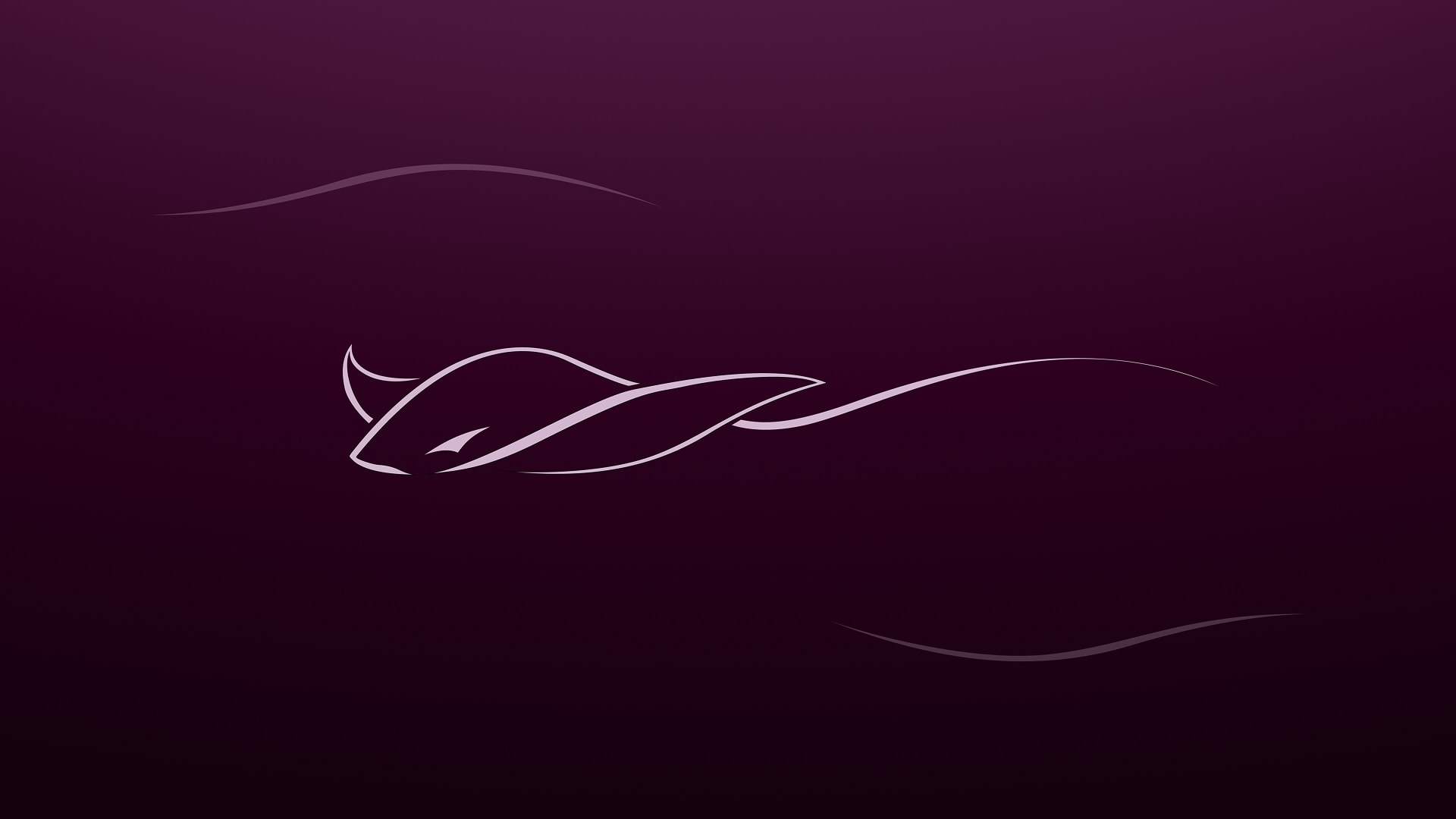
Mythical stingray – @jens-42
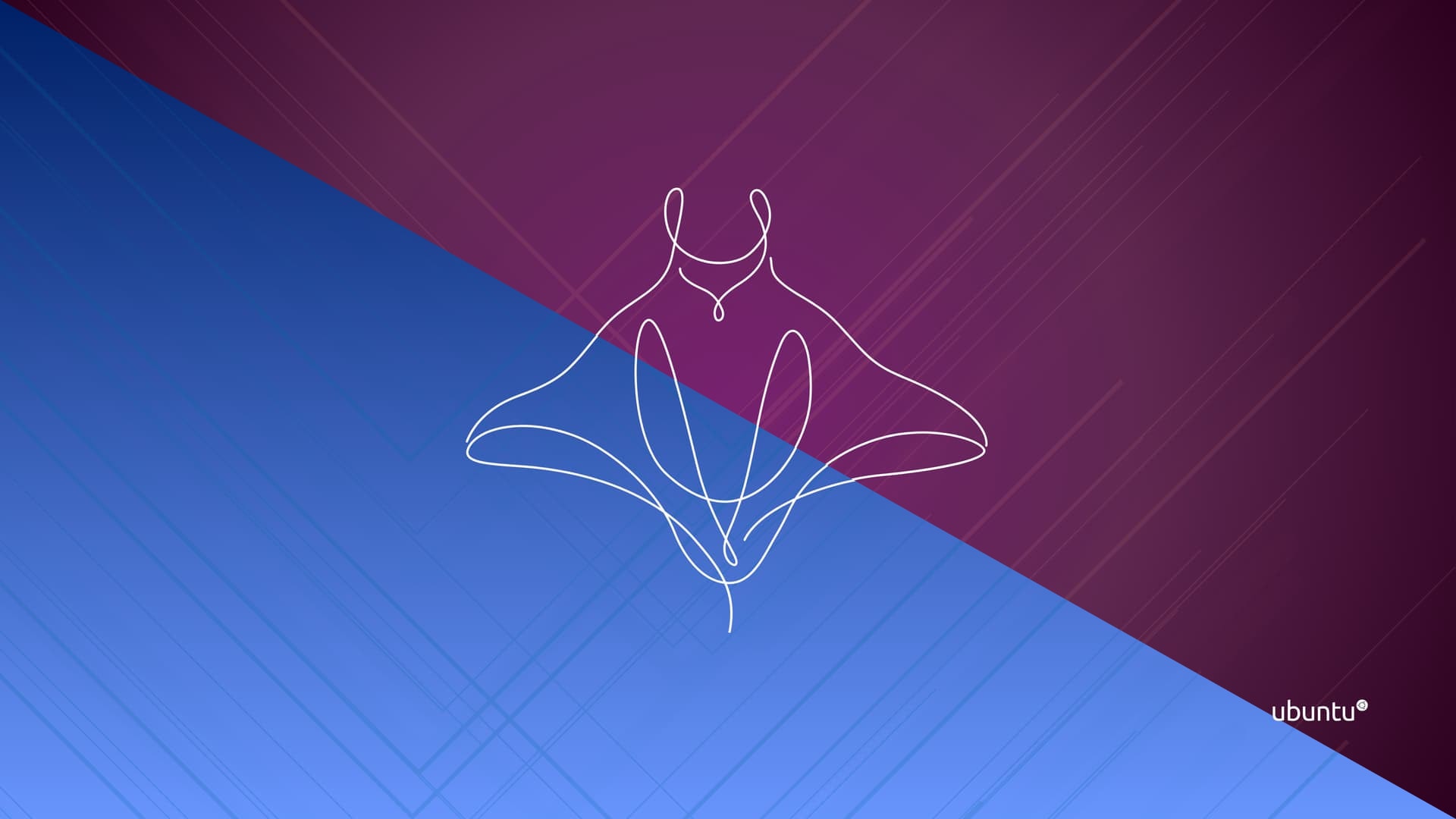
Stonking Stingray Minimal (Dark/Light) – @dmxplx

Rausku (Light/Dark) – @hattivatti43
Digital / Abstract Category

Alpha Waves (Light/Dark) – @iryge
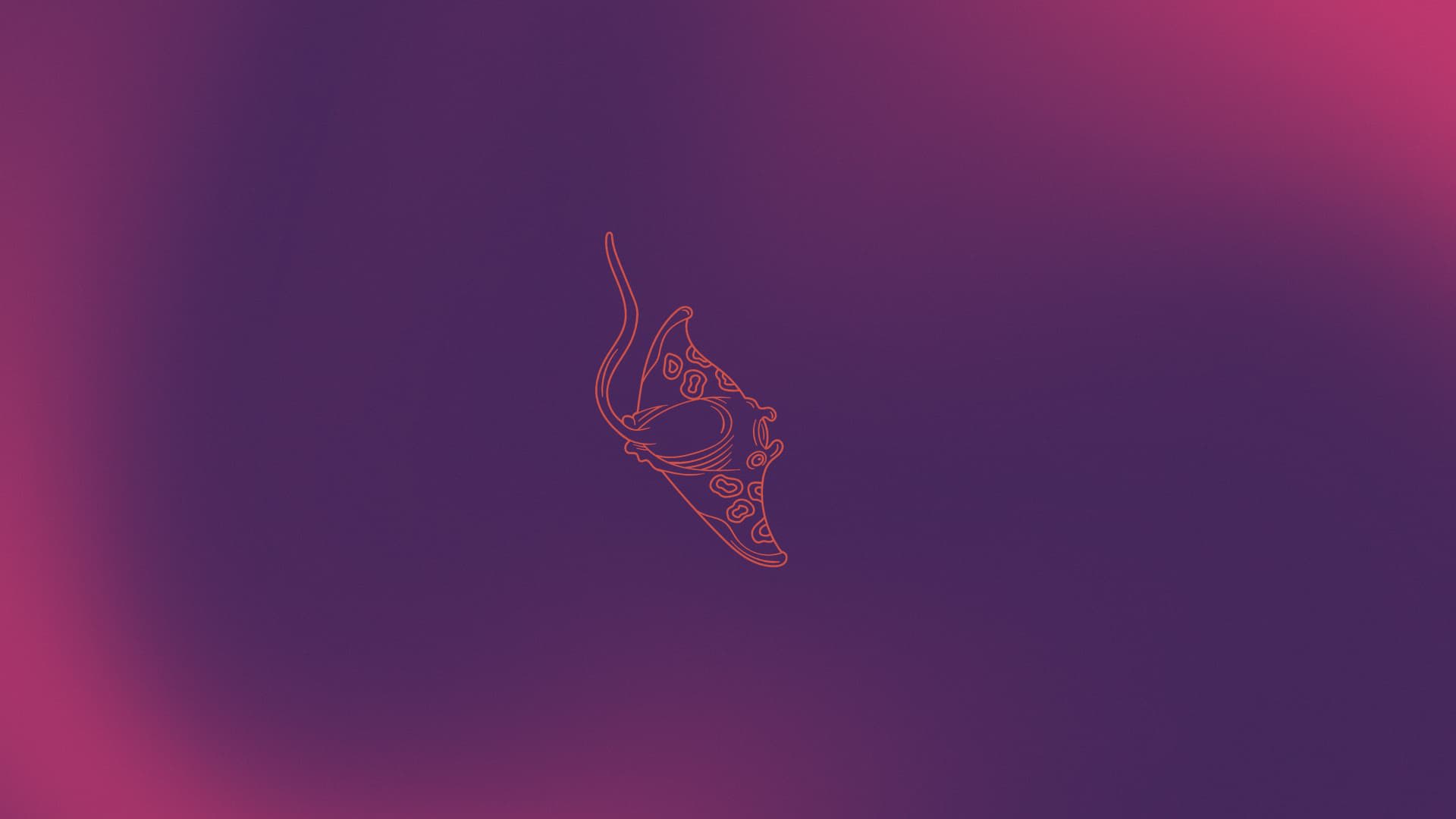
Stingray Nocturne – @normangeek
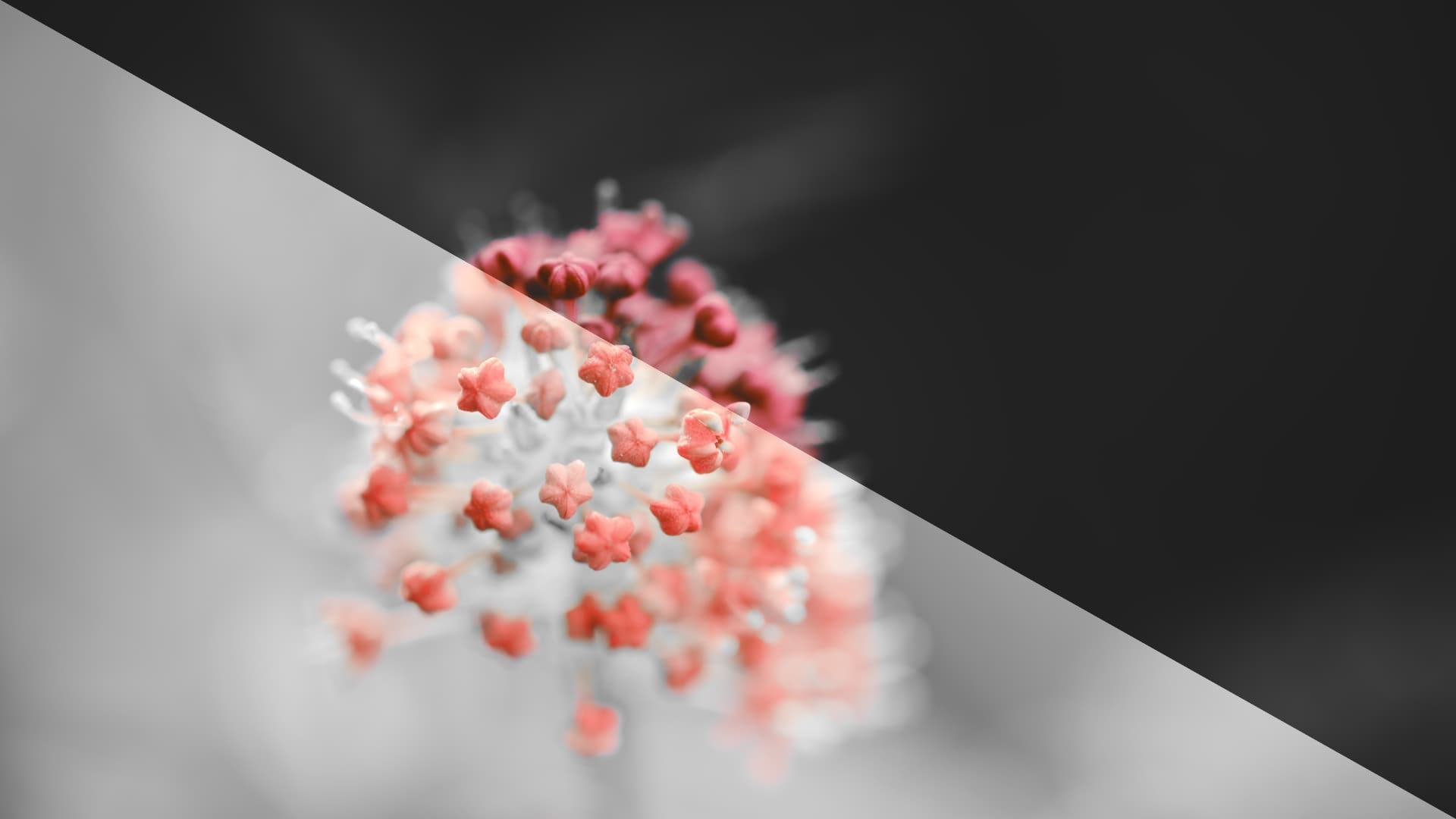
Red Tone (Light/Dark) – @jdecroocq

Ascending Waves (Light/Dark) – @iryge
Photography Category
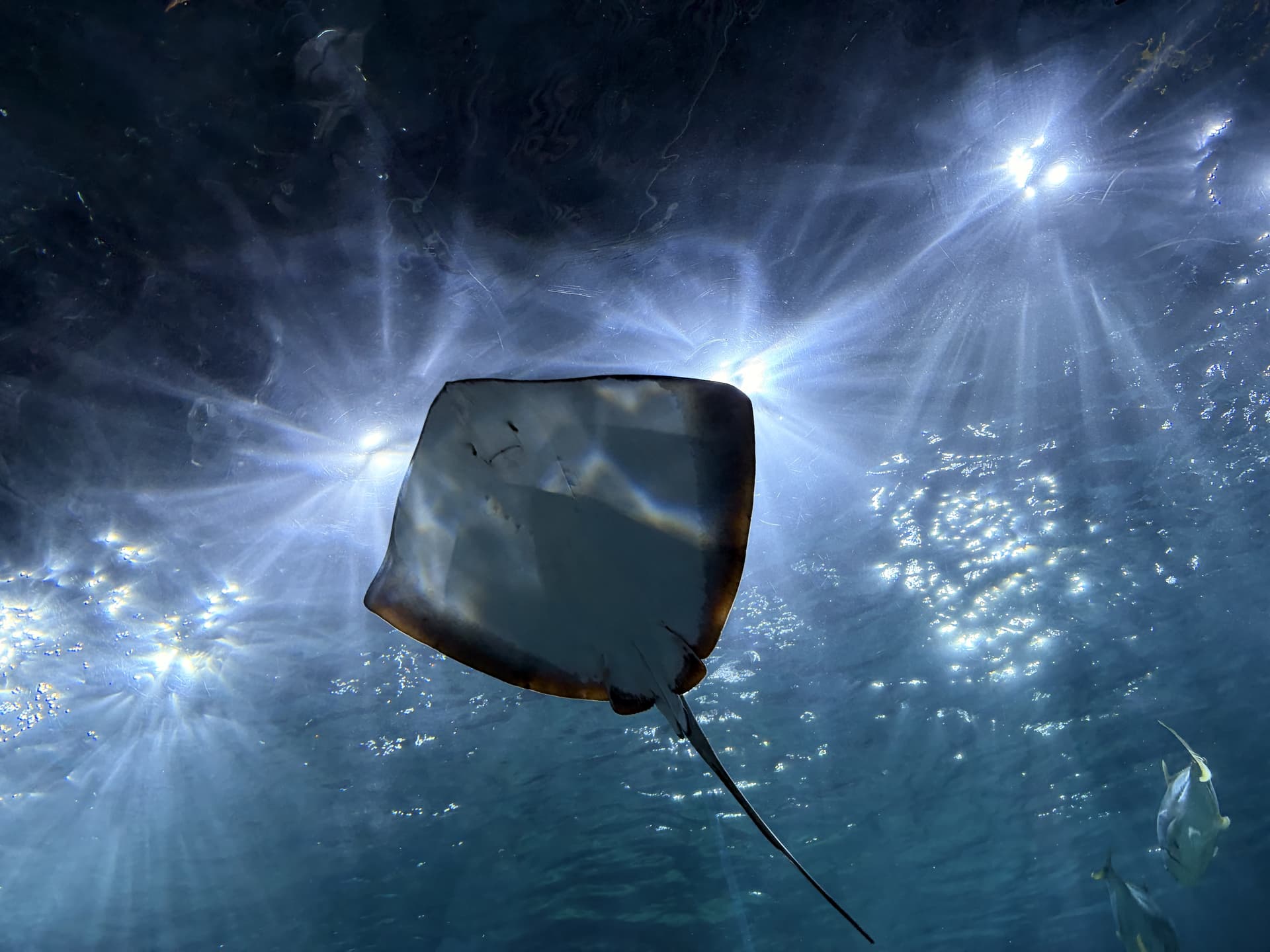
michin acuarium – @jarsoca99

Luce e Ombra – @jacop02169

Derwentwater – @mendhak
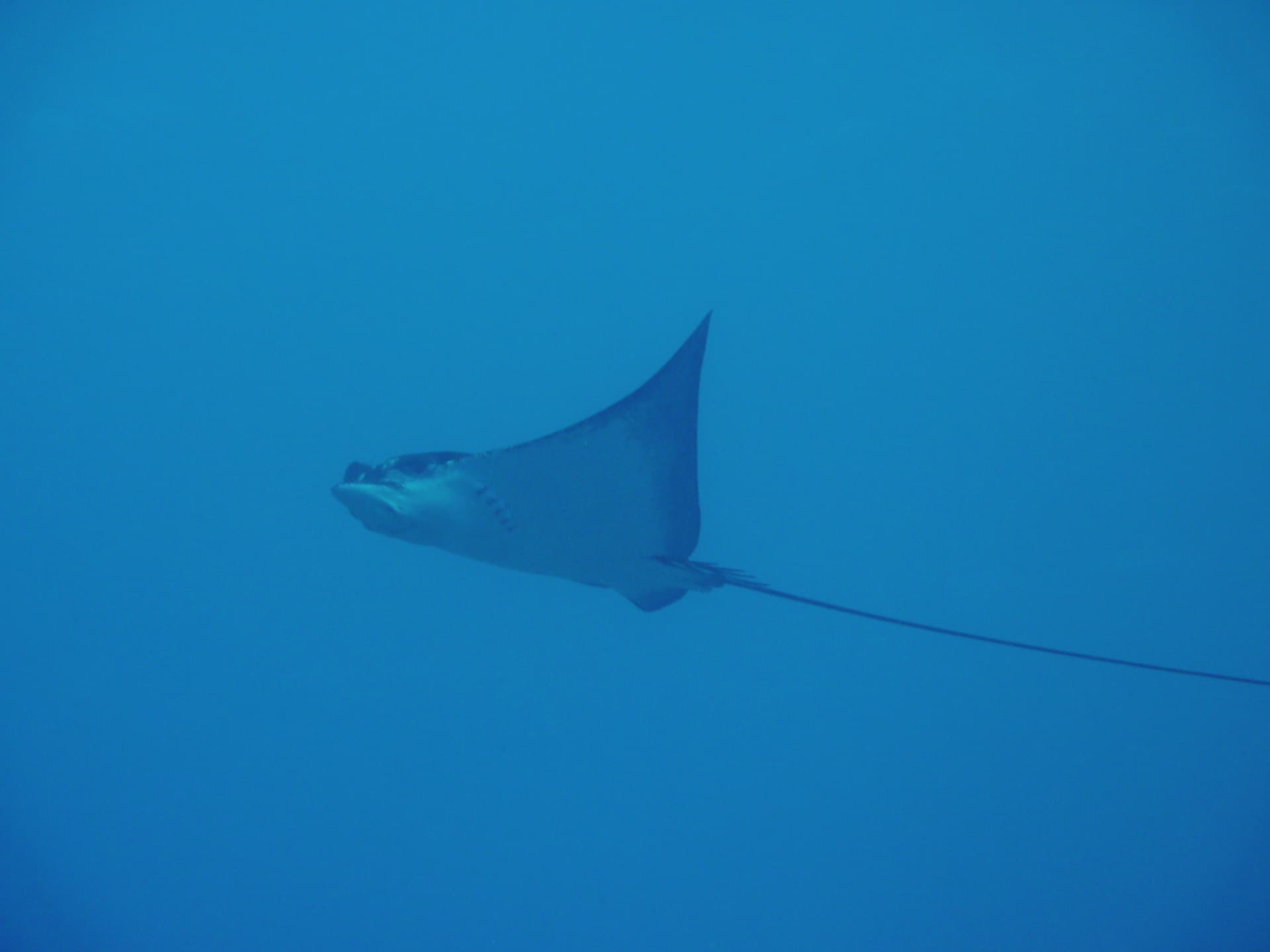
Stingray – @stephane93130
Getting involved
The Ubuntu Wallpaper Competition is just one of many ways that you can contribute to our community. We welcome and encourage you to bring your unique skills and experience to our great collective project. There is always room to make a splash!
Learn about the many ways that you can get involved:
Contribute to the community
Join the conversation on Discourse ›
When the codename for Ubuntu 26.10 was announced, I suspect there was a measurable surge in users searching for the definition of "stonking" across search engines and the various popular AI chatbots. As it so happens, the rather silly sounding word is actually a bit of British slang that denotes "something of considerable size, or [...]
Categories: Community, Ubuntu Desktop
Source: https://ubuntu.com//blog/grace-on-the-currents-stonking-stingray Sep 08, 2026, 01:29 PM
When the codename for Ubuntu 26.10 was announced, I suspect there was a measurable surge in users searching for the definition of "stonking" across search engines and the various popular AI chatbots. As it so happens, the rather silly sounding word is actually a bit of British slang that denotes "something of considerable size, or an object that is quite impressive." Now despite my Cornish last name, I'm not a Brit and my English slang lexicon is admittedly limited, so it initially seemed like an odd pairing with our mascot. Upon closer inspection, and a bit of aquatic reflection, it may be a perfect descriptor.
I have had the privilege of seeing our chosen mascot for this release, the stingray, up close on a few occasions and photos often fail to capture the true size of a full grown sea pancake. Some larger species of rays can exceed 2 meters in width and nearly 400 kg! Stonking indeed! In many cases, animals of that size tend to be a bit slow or plodding, but not rays. They move with such grace and fluidity that one could swear that they are flying. They soar through the ocean depths with the velocity of an unladen swallow in a magnificent display of evolutionary refinement.
Stingrays are a beautiful example that grand, complex things can still move with agility and grace. And that's what we want people to think about Ubuntu. You see, Ubuntu is made up of millions of lines of code, crafted by scores of contributors and volunteers, knitted together by countless interworking components and systems that flow seamlessly into one polished form. In the vast sea of the connected world where it's easy to get swept away by dangerous waves, you can always trust Ubuntu to guide you to safer currents.
You can download the official Stonking Stingray wallpapers in a variety of colors, shapes, and sizes here .
Drawing from the depths
Our undersea artist must have donned his diving suit and submerged his bathysphere studio directly into the Benthic Zone for this one. Capturing both the scale and elegance of a stingray takes a master naut, and Marcus Haslam accomplished just that feat. In his own words:
"For Stonking Stingray, my goal was to capture the stingray's grace and elegance. I refined the shape to more closely resemble the actual animal, with wide fins sweeping gracefully into the body and a long tail that creates a natural sense of movement in the design.
"While working on Stonking, I spoke with someone who encountered a stingray while diving. They described its remarkable presence and the extraordinary way it moved through the water—almost as if it were flying rather than swimming. That image stayed with me and became central to my design approach.
"For me, Stonking's character is rooted in its elegance and refined form. Instead of focusing on facial expression, I let the stingray's shape and movement define its personality. I also introduced a bold, sweeping shape into the fin, which adds graphic character and further emphasises movement in the overall form.
"The dots add another dimension. They stay the same size; the gradation gives them a sense of movement and direction. It adds energy to the background and gives us something interesting to play with in animation.
"I've kept the circle to bring everything together and give the mascot a strong, simple framework. The stingray's shape fits naturally within it, while the long tail adds movement and gives Stonking a distinctive silhouette.
"Overall, I wanted Stonking to feel simple, elegant, and full of movement – taking what is already captivating about a stingray and transforming that into a strong graphic character."
Wallpaper fever
The temperature over on the Ubuntu Discourse always rises when we announce the wallpaper competition. For Stonking Stingray, our community caught quite the bug, or rather, quite the fever (which, coincidentally, is the term for a group of rays). In this, one of our most engaged interim release wallpaper competitions, the community provided a very diverse and stunning collection of works. Unfortunately we cannot include them all, so the community made their voices heard and chose their favorites. It's my great honor and pleasure to present the winners of the Stonking Stingray wallpaper competition:
Mascot Category
Stonker Light / Dark – @moskalenko-v
Mythical stingray – @jens-42
Stonking Stingray Minimal (Dark/Light) – @dmxplx
Rausku (Light/Dark) – @hattivatti43
Digital / Abstract Category
Alpha Waves (Light/Dark) – @iryge
Stingray Nocturne – @normangeek
Red Tone (Light/Dark) – @jdecroocq
Ascending Waves (Light/Dark) – @iryge
Photography Category
michin acuarium – @jarsoca99
Luce e Ombra – @jacop02169
Derwentwater – @mendhak
Stingray – @stephane93130
Getting involved
The Ubuntu Wallpaper Competition is just one of many ways that you can contribute to our community. We welcome and encourage you to bring your unique skills and experience to our great collective project. There is always room to make a splash!
Learn about the many ways that you can get involved:
Contribute to the community
Join the conversation on Discourse ›
When the codename for Ubuntu 26.10 was announced, I suspect there was a measurable surge in users searching for the definition of "stonking" across search engines and the various popular AI chatbots. As it so happens, the rather silly sounding word is actually a bit of British slang that denotes "something of considerable size, or [...]
Categories: Community, Ubuntu Desktop
Source: https://ubuntu.com//blog/grace-on-the-currents-stonking-stingray Sep 08, 2026, 01:29 PM
#49
Ubuntu News / Ubuntu 26.10 reveals new offi...
Last post by tim - Sep 08, 2026, 07:23 PMUbuntu 26.10 reveals new official wallpaper, mascot art
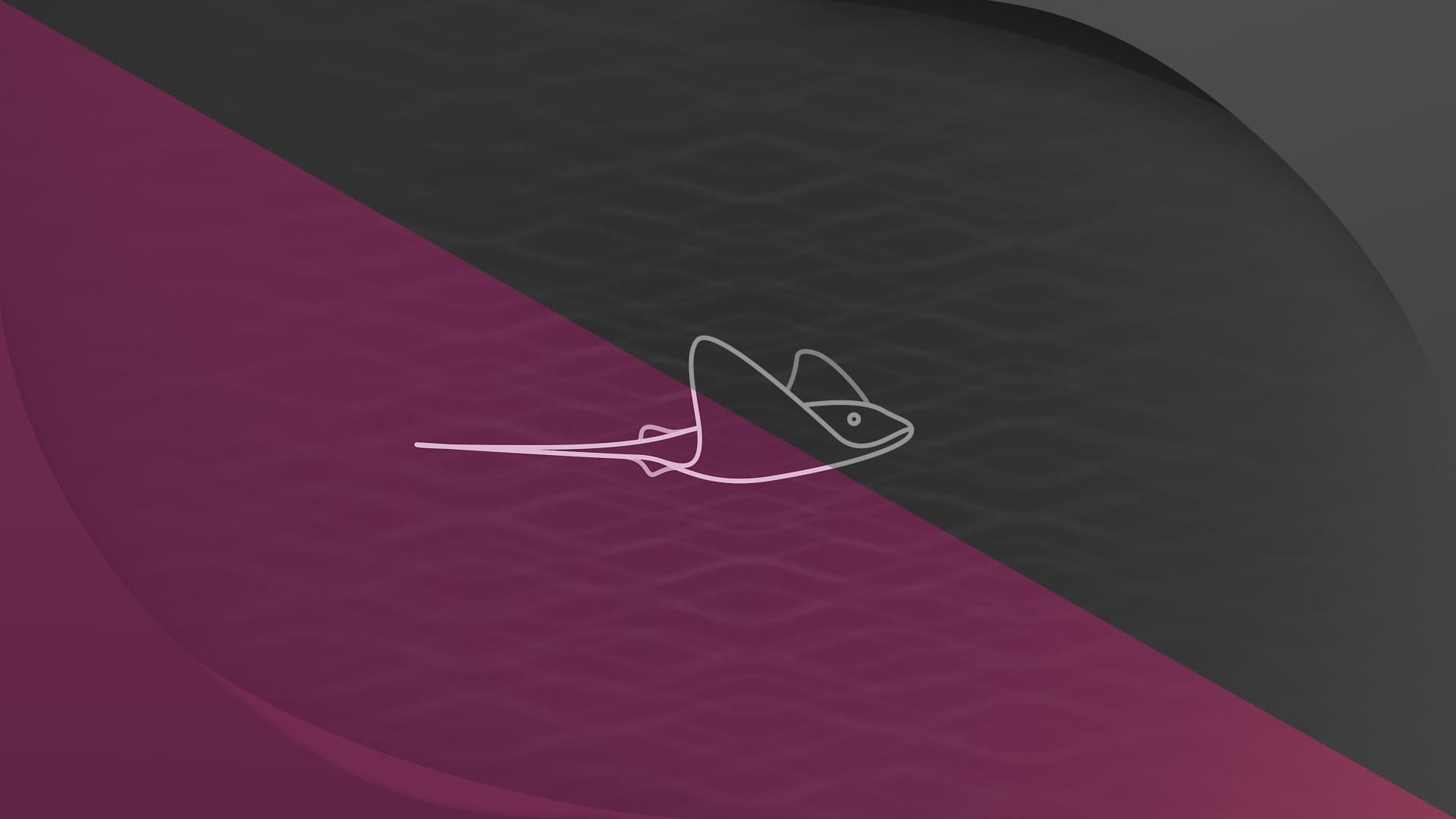
 The official wallpaper for the upcoming Ubuntu 26.10 'Stonking Stringray' release has been revealed, alongside artwork bearing the official mascot. No huge surprises to see the standard formula hole. The distro's designers have, once again, opted for a dark purple/aubergine backdrop that bears a vectorised mascot in the middle, which for this release is a stingray: No illustrative nod to the "stonking" adjective of the codename, but as most people aren't even aware it is a word, perfectly understandable. There are 4 variants of the default wallpaper for Ubuntu 26.10. The colour one you see above, plus dark and a [...]
You're reading Ubuntu 26.10 reveals new official wallpaper, mascot art , a blog post from OMG! Ubuntu . Do not reproduce elsewhere without permission.
Categories: News, Default Wallpaper, Ubuntu 26.10
Source: https://www.omgubuntu.co.uk/2026/09/ubuntu-2610-wallpaper Sep 08, 2026, 06:11 PM
The official wallpaper for the upcoming Ubuntu 26.10 'Stonking Stringray' release has been revealed, alongside artwork bearing the official mascot. No huge surprises to see the standard formula hole. The distro's designers have, once again, opted for a dark purple/aubergine backdrop that bears a vectorised mascot in the middle, which for this release is a stingray: No illustrative nod to the "stonking" adjective of the codename, but as most people aren't even aware it is a word, perfectly understandable. There are 4 variants of the default wallpaper for Ubuntu 26.10. The colour one you see above, plus dark and a [...]You're reading Ubuntu 26.10 reveals new official wallpaper, mascot art , a blog post from OMG! Ubuntu . Do not reproduce elsewhere without permission.
Categories: News, Default Wallpaper, Ubuntu 26.10
Source: https://www.omgubuntu.co.uk/2026/09/ubuntu-2610-wallpaper Sep 08, 2026, 06:11 PM
#50
Ubuntu News / KDE’s new Photos app offers a...
Last post by tim - Sep 08, 2026, 07:23 PMKDE's new Photos app offers a sleek alternative to Gwenview
 Photos is a new(ish) image viewer and organiser for KDE Plasma aiming to give Gwenview a run for its pixels. Linux distributions that use KDE Plasma typically ship Gwenview, which has been the KDE image app for over 25 years. It's a solid, feature-filled and Qt-based tool that and many love and rely on to view, manage and edit images. But development on Gwenview has slowed – and its legacy could be to blame. As GNOME found during efforts to modernise the Evince document viewer, updating old software can require rewriting and rewiring large chunks of an antiquated codebase. It [...]
You're reading KDE's new Photos app offers a sleek alternative to Gwenview , a blog post from OMG! Ubuntu . Do not reproduce elsewhere without permission.
Categories: News, gwenview, Image Viewers, KDE, photoapps, qt apps
Source: https://www.omgubuntu.co.uk/2026/09/kde-photos-app-replace-gwenview Sep 08, 2026, 01:24 AM
Photos is a new(ish) image viewer and organiser for KDE Plasma aiming to give Gwenview a run for its pixels. Linux distributions that use KDE Plasma typically ship Gwenview, which has been the KDE image app for over 25 years. It's a solid, feature-filled and Qt-based tool that and many love and rely on to view, manage and edit images. But development on Gwenview has slowed – and its legacy could be to blame. As GNOME found during efforts to modernise the Evince document viewer, updating old software can require rewriting and rewiring large chunks of an antiquated codebase. It [...]You're reading KDE's new Photos app offers a sleek alternative to Gwenview , a blog post from OMG! Ubuntu . Do not reproduce elsewhere without permission.
Categories: News, gwenview, Image Viewers, KDE, photoapps, qt apps
Source: https://www.omgubuntu.co.uk/2026/09/kde-photos-app-replace-gwenview Sep 08, 2026, 01:24 AM